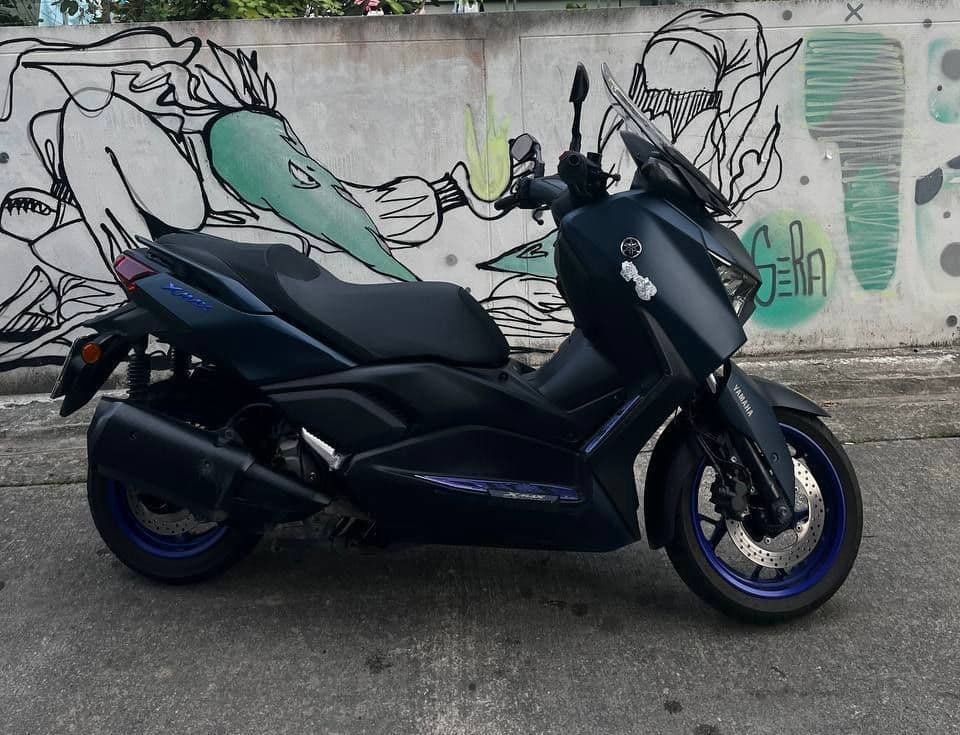
We're a rental shop, not a dealer, so this one's just honest advice from people who deal with bikes on this island every day — for anyone weighing buying against renting.
Rent first, decide later
Most people who end up buying a bike here rented one first, sometimes for months, before committing. It's a cheap way to find out which size and type actually suits how you ride the island before you own one.
The Green Book
Every registered bike in Thailand has a Green Book (tabien rot) — the ownership document. Transferring one into your name means a trip to the provincial land transport office, and as a foreigner that usually means having a Thai work permit or long-term visa, or arranging the transfer through a Thai partner. It's worth getting proper local advice on this specific point before you hand over money — the rules and what's practical in reality don't always line up.
What to check on a used bike
Start it cold, not warm — a bike that struggles to start cold has a problem someone's hiding. Check the frame underneath for rust, salt air off the sea is hard on bikes here. And check that the engine and frame numbers actually match what's written in the Green Book — mismatches happen more than you'd think.
Not ready to commit to ownership?
If the paperwork side feels like more hassle than you want, a long-term rental gets you a bike for months at a good rate with none of the ownership admin, and no need to sell it before you leave.